

Most people don’t fail with money because they earn too little. They fail because they don’t have a clear, realistic, and sustainable system to manage what they already earn.
A good budget isn’t about restriction — it’s about freedom. It’s about knowing exactly where your money is going so you can make intentional choices instead of reacting to bills and unexpected expenses.
After helping hundreds of families improve their finances, I’ve seen that the simplest budgets often work the best. Here’s a proven, no-nonsense system to create a budget that actually works in 2026.
Step 1: Know Your Real Numbers (The Foundation)
Before you change anything, you need total clarity.
Do this exercise:
- Calculate your total monthly income (after taxes)
- List all your fixed expenses (rent, mortgage, utilities, insurance, subscriptions, debt payments)
- Track your variable expenses for the last 30–60 days (food, transportation, entertainment, shopping)
Be brutally honest. Most people underestimate their spending by 20–30%.
Pro Tip: Use your bank and credit card statements for the last two months. Don’t guess.
Step 2: Choose the Right Budgeting Method for You
Here are the three most effective methods in 2026:
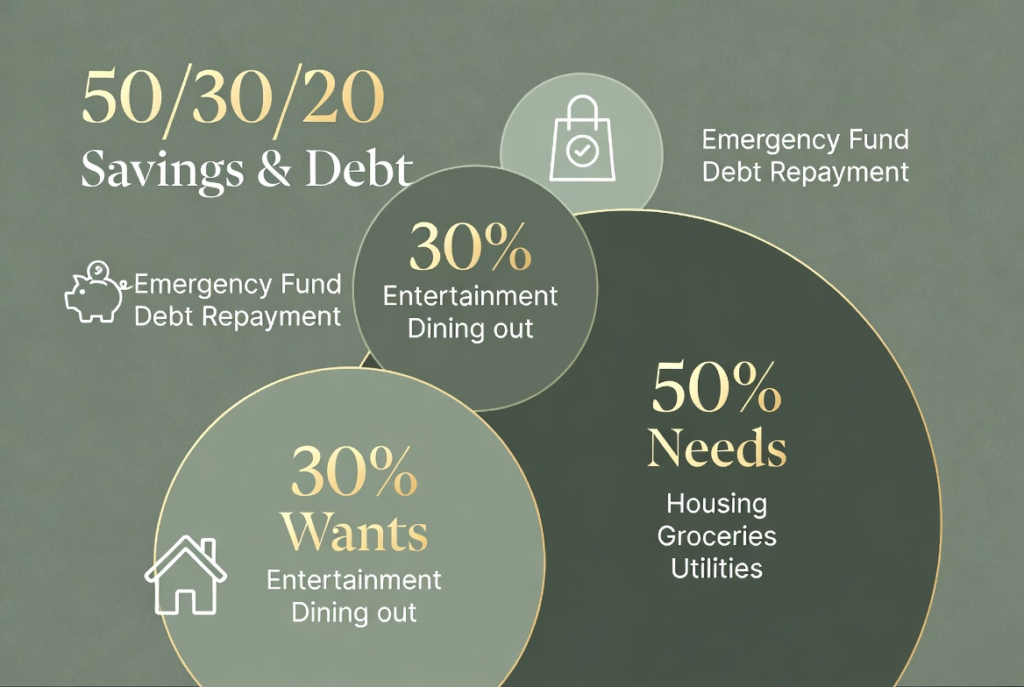
A. The 50/30/20 Rule (Best for beginners)
- 50% → Needs (housing, food, transportation, utilities)
- 30% → Wants (dining out, entertainment, hobbies)
- 20% → Savings & Debt (emergency fund, investments, extra debt payments)
B. Zero-Based Budgeting (Most powerful)
Every single dollar gets assigned a job. Income minus expenses = Zero. This method gives you maximum control.
C. The Pay Yourself First Method (Best for disciplined people)
Decide how much you want to save/invest first (minimum 20%), then live on the rest.
Choose one method and stick with it for at least 3 months.
Step 3: Build Your Monthly Budget Template
Create these essential categories:
Fixed Expenses
- Housing
- Utilities
- Transportation
- Insurance
- Debt payments
- Subscriptions
Variable Expenses
- Groceries
- Dining out
- Entertainment
- Personal care
- Shopping
Savings & Growth
- Emergency fund
- Retirement / Investments
- Big purchases / Vacations
- Giving / Charity
Pro Tip: Start with a realistic budget, not a perfect one. It’s better to have an 80% accurate budget you actually follow than a perfect one you abandon after two weeks.
Step 4: Make Your Budget Automatic
The secret to a budget that lasts is automation:
- Set up automatic transfers to savings the day you get paid
- Use automatic bill pay for fixed expenses
- Set spending limits on credit cards for variable categories
- Review your budget every Sunday for 10 minutes
When money moves automatically, you remove willpower from the equation.
Step 5: Review, Adjust and Improve
A budget is not set in stone. Life changes.
Every month ask yourself:
- What went well?
- Where did I overspend?
- What surprised me?
- How can I improve next month?
Treat your budget like a living system that evolves with your life.
Real Results You Can Expect
Families who follow this system consistently usually see:
- 15–25% increase in savings rate within 3–6 months
- Significant reduction in financial stress
- Faster progress toward big goals (house down payment, debt freedom, retirement)
- Better communication about money in the relationship
Final Truth
A budget is not about punishing yourself. It’s about giving every dollar a purpose so you can enjoy your money without guilt and build real wealth over time.
Start simple this week:
- Calculate your real income and expenses
- Choose one budgeting method
- Set up your first automatic savings transfer
You don’t need to be perfect. You just need to start.
Have you tried budgeting before? What worked and what didn’t? Share your experience in the comments — your story might help someone else.
And if you want more practical finance guides, check out our articles on building generational wealth, creating passive income, and avoiding costly financial mistakes right here on Next Future Finance.
Your future financial peace starts with a simple, honest budget.












Deja una respuesta