
Hi, I’m Dhanur, founder of NextFutureFinance.com.
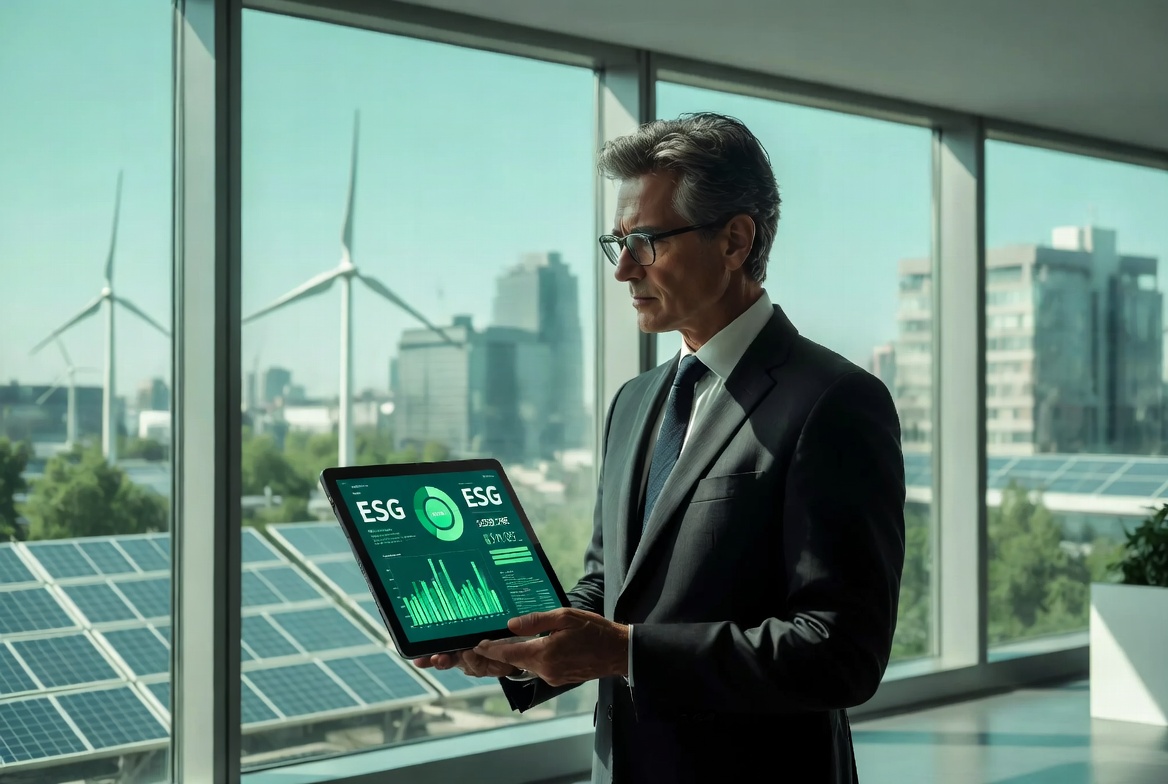
A few years ago, ESG (Environmental, Social, and Governance) investing felt like a trend that everyone was talking about but few truly understood. In 2026, it has become one of the most discussed topics in finance — yet many investors still wonder: Is ESG really delivering better returns, or is it mostly marketing and greenwashing?
After following this space closely for the past three years, I want to share an honest, balanced look at where ESG investing stands today, what the data actually shows, and how regular investors should approach it.

What Does ESG Really Mean in 2026?
ESG stands for three key areas:
- Environmental: How a company manages its impact on the planet (carbon emissions, waste, water usage, renewable energy).
- Social: How it treats people — employees, customers, suppliers, and communities (labor rights, diversity, data privacy).
- Governance: The quality of leadership, transparency, ethics, and corporate structure (board independence, anti-corruption policies, executive pay).
In 2026, ESG is no longer just about “doing good.” Many large institutions now integrate ESG factors into their risk assessment and long-term investment strategies.
The Growth of ESG Investing
The numbers are impressive:
- Global ESG assets under management continue to grow steadily.
- More companies are publishing detailed sustainability reports.
- Regulatory pressure is increasing in Europe, the US, and parts of Asia.
However, growth in size doesn’t automatically mean better performance or real impact.
What the Data Actually Shows
From my research into recent studies and reports in 2026:
Positive findings:
- Companies with strong ESG practices often show better risk management during economic downturns.
- Some ESG-focused funds have performed competitively with traditional funds over the past 5 years.
- Investors are increasingly demanding more transparency, pushing companies to improve.
Concerning realities:
- There is still significant inconsistency in how ESG ratings are calculated between different agencies.
- Greenwashing remains a real problem — some companies exaggerate their sustainability efforts.
- In certain sectors and time periods, strong ESG scores have not translated into higher financial returns.
- Political backlash in some countries has created volatility for ESG-focused investments.
My Honest Take as an Investor
After studying this topic for years, here’s my personal view:
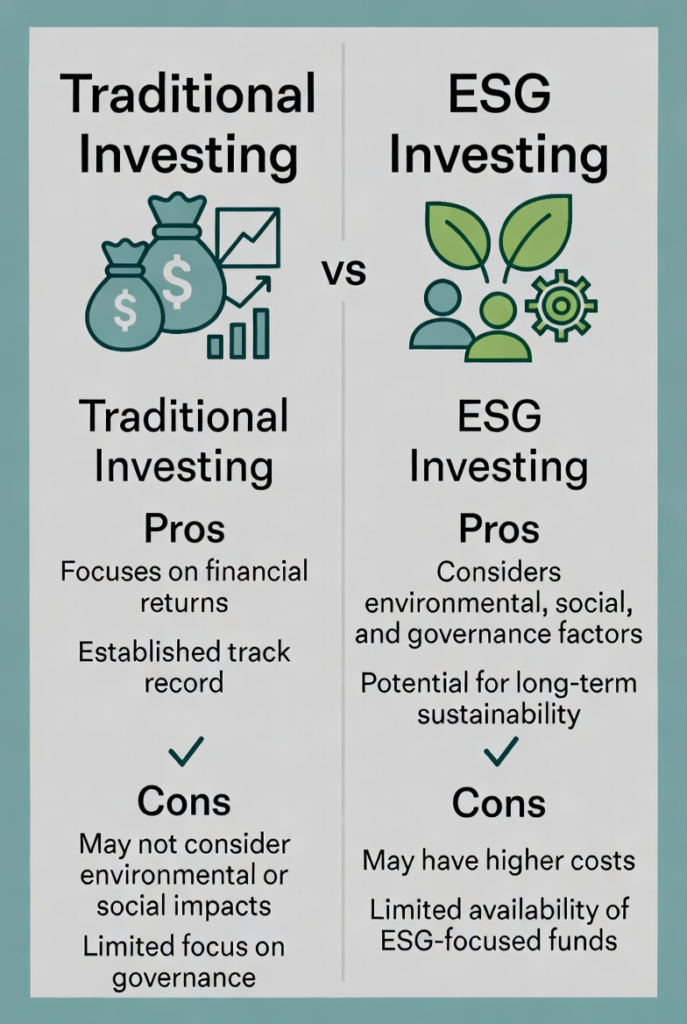
ESG investing is not a magic solution, nor is it a scam. It’s a tool — and like any tool, its effectiveness depends on how it’s used.
The best approach I’ve seen is integrated ESG analysis — not investing solely based on ESG scores, but using them as one important factor among many (alongside financial fundamentals, valuation, and industry trends).
Practical Tips for Investors Considering ESG in 2026
If you’re thinking about adding ESG elements to your portfolio, here are some practical suggestions:
- Look Beyond the Label Don’t just choose a fund because it has “ESG” or “Sustainable” in the name. Review the actual holdings and methodology.
- Focus on Material Issues Some ESG factors matter more in certain industries. For example, carbon emissions are critical for energy companies but less relevant for software firms.
- Diversify Combine ESG considerations with traditional financial analysis rather than replacing it.
- Stay Skeptical of Extreme Claims Be cautious of funds promising both massive returns and maximum positive impact. Sustainable investing often involves trade-offs.
- Consider Your Own Values ESG means different things to different people. Define what matters most to you — climate change, social equality, good governance — and align your investments accordingly.
Important Disclaimer: This article is for educational and informational purposes only. It does not constitute financial, investment, or legal advice. Investing involves risk, including the potential loss of capital. Past performance is not indicative of future results. Always consult with a qualified financial advisor before making investment decisions.
The Road Ahead
ESG investing is maturing. What started as a niche movement is becoming part of mainstream finance. The coming years will likely bring better standards, more consistent reporting, and clearer links between sustainability practices and long-term financial performance.
As investors, our job is to stay informed, remain critical, and make decisions based on facts rather than trends or marketing.
Final Thoughts
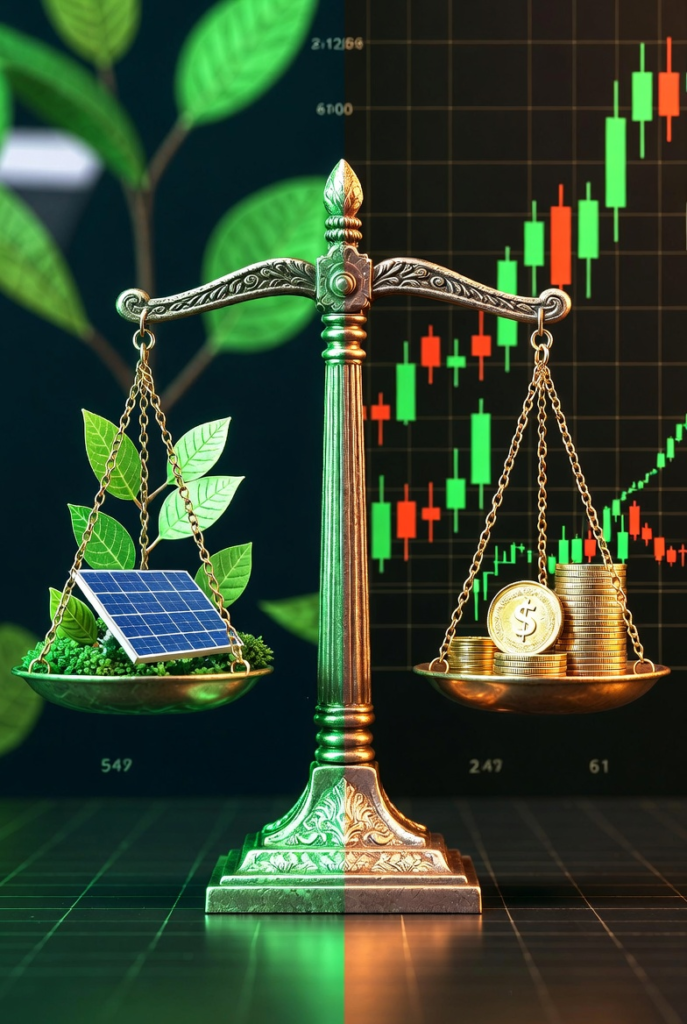
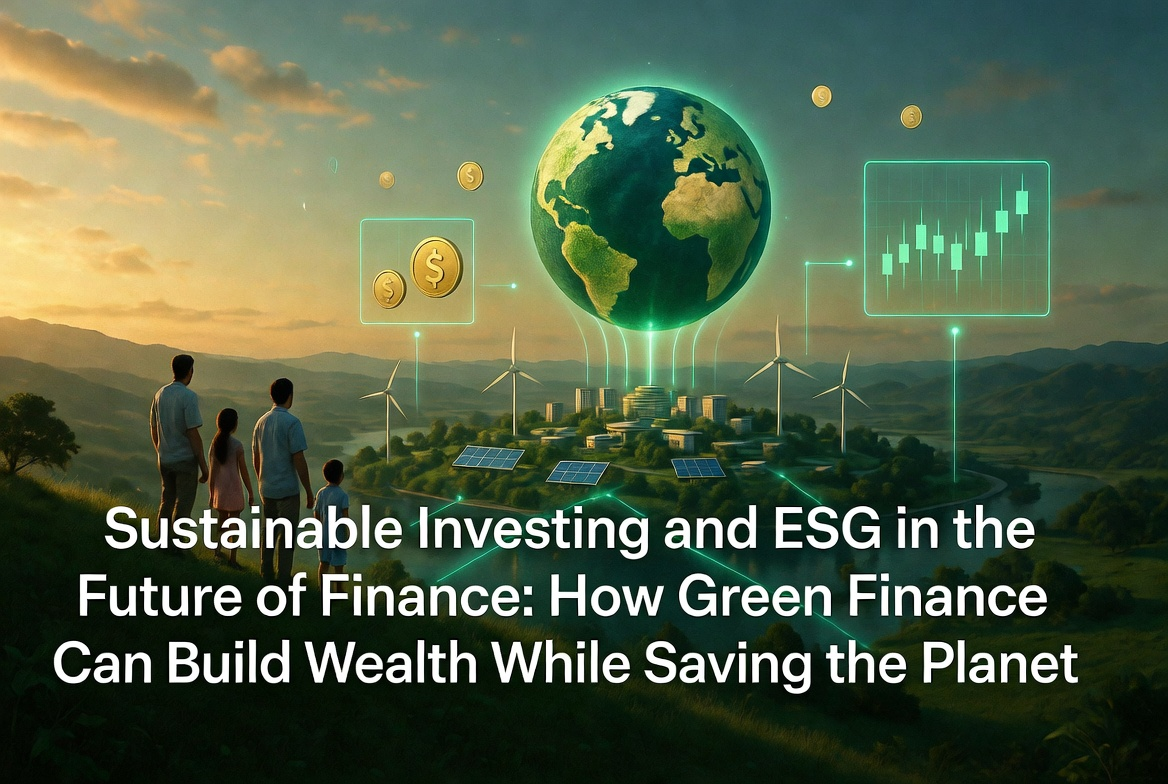
Sustainable finance has real potential to influence positive change while still aiming for competitive returns. However, it requires careful analysis and realistic expectations.
I believe the most successful investors in this space will be those who combine genuine interest in sustainability with disciplined financial analysis.
What are your thoughts on ESG investing in 2026? Are you incorporating it into your portfolio, or do you remain skeptical? Feel free to share your experience or questions in the comments below.
— Dhanur Founder, NextFutureFinance.com









Deja una respuesta