
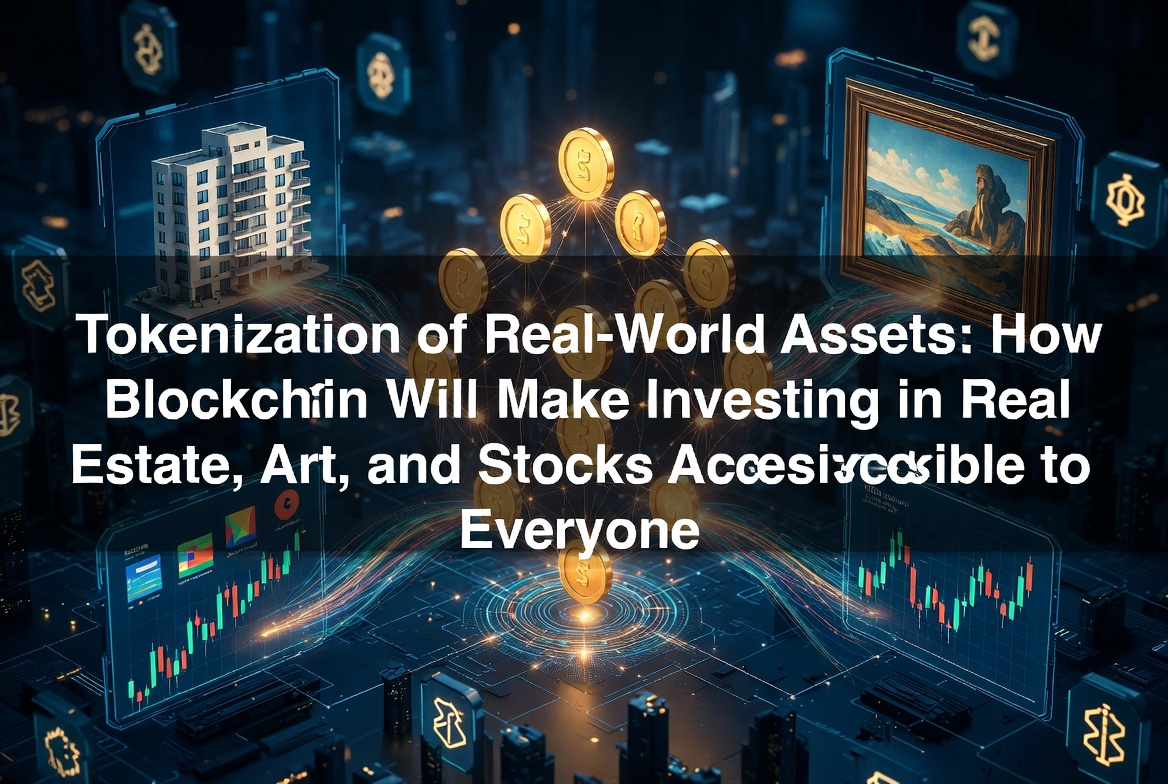
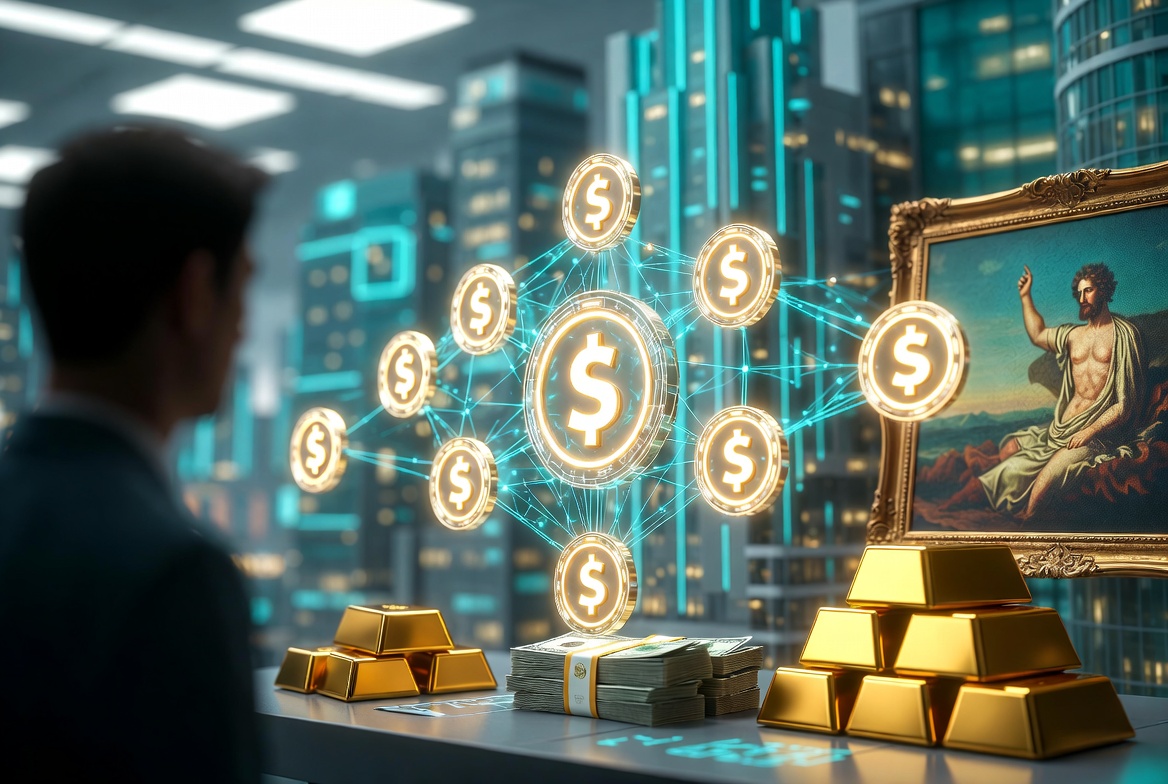
Imagine owning a piece of a luxury Manhattan apartment, a fraction of a Picasso painting, or shares in a high-end private equity fund — all for just a few hundred dollars. No massive down payments. No lawyers drowning you in paperwork. No waiting months to sell if you need cash. You simply buy digital tokens on your phone, and the blockchain handles the rest.
This isn’t science fiction. It’s happening right now in 2026 through tokenization of real-world assets (RWAs) — one of the most powerful ways blockchain is reshaping the future of finance.
At Next Future Finance, we’ve already explored how AI agents can manage your money and how technology is transforming money itself. Today, we dive into tokenization: the breakthrough that turns illiquid, exclusive assets into accessible, tradable digital pieces anyone can own.
What Is Tokenization of Real-World Assets?
Tokenization is the process of converting ownership rights of a physical or traditional asset into digital tokens on a blockchain. Each token represents a fraction of the underlying asset — whether it’s real estate, fine art, stocks, commodities, or even invoices.
Thanks to blockchain’s transparency, security, and smart contracts, these tokens can be bought, sold, or traded 24/7 with far less friction than traditional markets.
In early 2026, the total value of tokenized RWAs has already surged past $24–26 billion, showing explosive growth from previous years. Experts predict the market could reach trillions by 2030, with real estate alone potentially hitting $4 trillion tokenized by 2035.
Why Tokenization Changes Everything
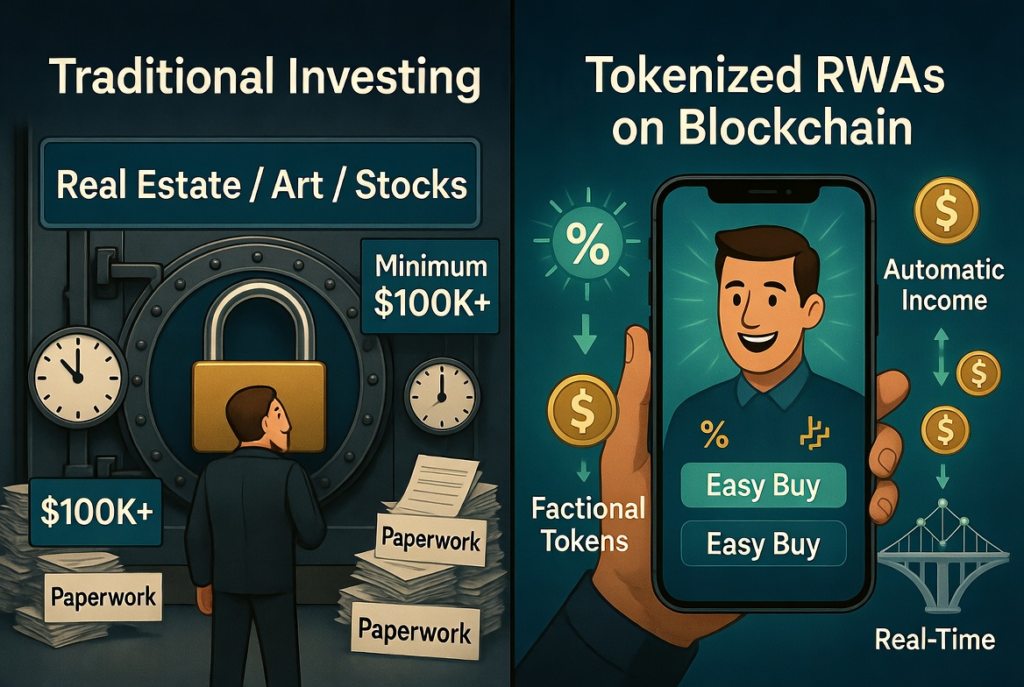
Traditional investing has always had big barriers:
- High minimum investments — A single rental property might require $100,000+.
- Low liquidity — Selling real estate or art can take months.
- Limited access — Only wealthy individuals or institutions could participate in premium assets.
- High costs and paperwork — Legal fees, intermediaries, and slow settlement.
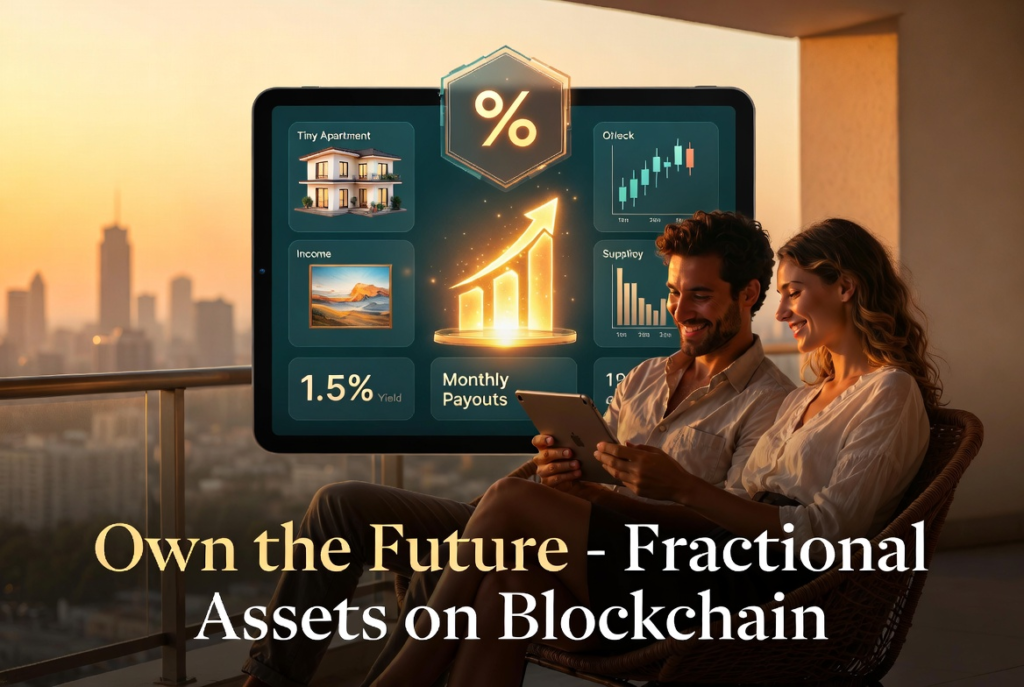
Blockchain flips this model. Fractional ownership means you can invest $50–$500 and still earn rental income, dividends, or appreciation. Smart contracts automatically distribute profits. And global investors can participate without crossing borders physically.
The result? Democratized wealth-building opportunities that were once reserved for the ultra-rich.
How Tokenization Works in Practice
- Asset Selection & Verification — A property, artwork, or fund is appraised and legally prepared.
- Token Creation — The asset is represented as digital tokens (often ERC-20 or similar standards) on a blockchain like Ethereum, Polygon, or specialized networks.
- Issuance & Distribution — Tokens are sold to investors through compliant platforms.
- Ownership & Benefits — You own the token in your wallet. Smart contracts handle rental yields, dividends, or resale rights automatically.
- Trading — Tokens can be traded on secondary markets, often with much faster settlement than traditional stocks.
This process brings unprecedented transparency — every transaction is recorded immutably on the blockchain.
Real Estate: From Million-Dollar Properties to $50 Investments
Real estate is one of the hottest areas for tokenization. Platforms like RealT let you buy fractional shares of U.S. rental properties starting at just $50. You earn daily or monthly rental income paid in stablecoins directly to your wallet.
Other notable platforms in 2026 include:
- Lofty and Binaryx for international properties
- Zoniqx and institutional solutions from Securitize and Tokeny
Investors can now own pieces of luxury apartments, commercial buildings, or vacation homes worldwide without dealing with tenants, maintenance, or huge loans. Dividends flow automatically, and you can sell your tokens much faster than selling a physical property.
Fine Art: Owning a Piece of Masterpieces
Art has always been one of the most exclusive asset classes. A single painting can cost millions, and liquidity is terrible.
Tokenization changes that. You can now buy fractional ownership of blue-chip artworks or emerging artists’ pieces. When the artwork appreciates or is sold, you get your proportional share.
This opens the door for everyday investors to diversify into alternative assets that historically delivered strong returns with low correlation to stock markets. Platforms are making it easier to tokenize and trade art securely on blockchain.
Stocks and Equities: The Next Frontier
Even traditional stocks and private equity are being tokenized. In 2026, we’re seeing major moves from institutions like the NYSE planning 24/7 blockchain-based tokenized exchanges for stocks and ETFs.
Tokenized stocks and funds (including offerings from Ondo Finance and others) allow fractional ownership, faster trading, and integration with DeFi protocols for lending or earning yield on your holdings.
This blurs the line between traditional finance (TradFi) and decentralized finance (DeFi), creating hybrid opportunities that combine the best of both worlds.
Key Benefits You’ll Love as an Investor
- Lower Entry Barriers — Start with small amounts instead of six-figure checks.
- Increased Liquidity — Trade tokens more easily than physical assets.
- Global Access — Invest in properties in Dubai, art in Paris, or funds in New York from anywhere.
- Automatic Income — Smart contracts handle distributions without delays.
- Transparency & Security — Blockchain provides verifiable ownership and reduces fraud.
- Diversification — Build a portfolio with real estate, art, and equities in fractions.
Many early users report feeling more in control of their wealth because they can access premium assets without needing to be wealthy first.
Challenges and Smart Ways to Navigate Them
Tokenization isn’t perfect yet. Regulatory frameworks are still evolving in 2026, and not all platforms are equally compliant or liquid. Some tokens have low trading volume, and you’ll still need to do due diligence on the underlying asset and the issuing platform.
Security matters too — choose reputable platforms with strong custody solutions and regulatory approvals (like those registered with the SEC or equivalent bodies).
The best approach? Start small, diversify across a few assets, and combine tokenization with the AI-powered tools we discussed in previous articles for holistic money management.
Getting Started with Tokenized Assets in 2026
Ready to explore? Here’s a simple starter plan:
- Research compliant platforms (RealT for real estate is a popular beginner-friendly option).
- Set up a secure crypto wallet and complete any required KYC.
- Begin with small investments in assets you understand.
- Monitor your portfolio and use blockchain explorers for transparency.
Many platforms offer educational resources and low-minimum entry points to help newcomers.
The Future of Investing Is Fractional and On-Chain
By the end of the decade, tokenization could unlock trillions in previously illiquid wealth, making high-quality assets available to millions more people. Combined with AI agents that help you manage and optimize these investments, the future of personal finance looks incredibly empowering.
Whether you’re building passive income streams, planning generational wealth, or simply wanting more options than traditional stocks and savings accounts, tokenized real-world assets open exciting new doors.
What excites you most — fractional real estate, owning part of famous art, or tokenized stocks with 24/7 access? Share your thoughts in the comments below.
If you enjoyed this article, check out our other pieces on the future of finance, AI in personal finance, and powerful passive income strategies right here on Next Future Finance.
Your portfolio — and your financial freedom — will never be the same.

Deja una respuesta