
Hi, I’m Dhanur, the founder of NextFutureFinance.com.
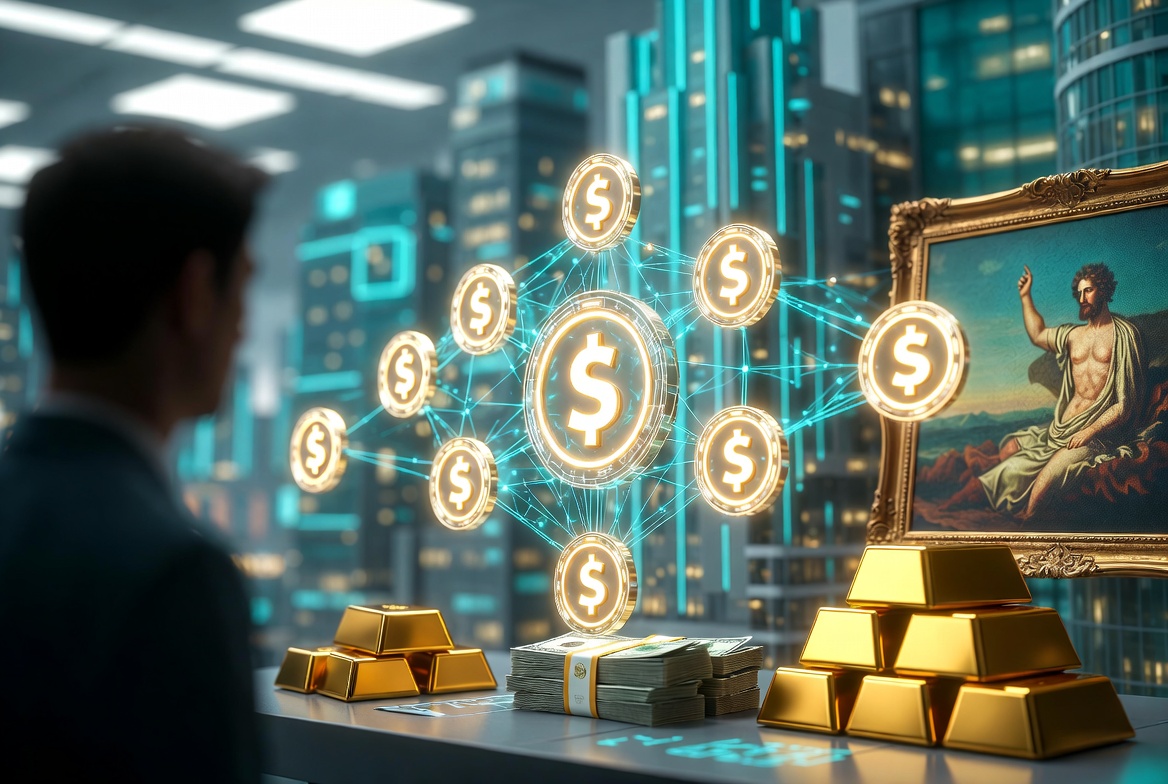
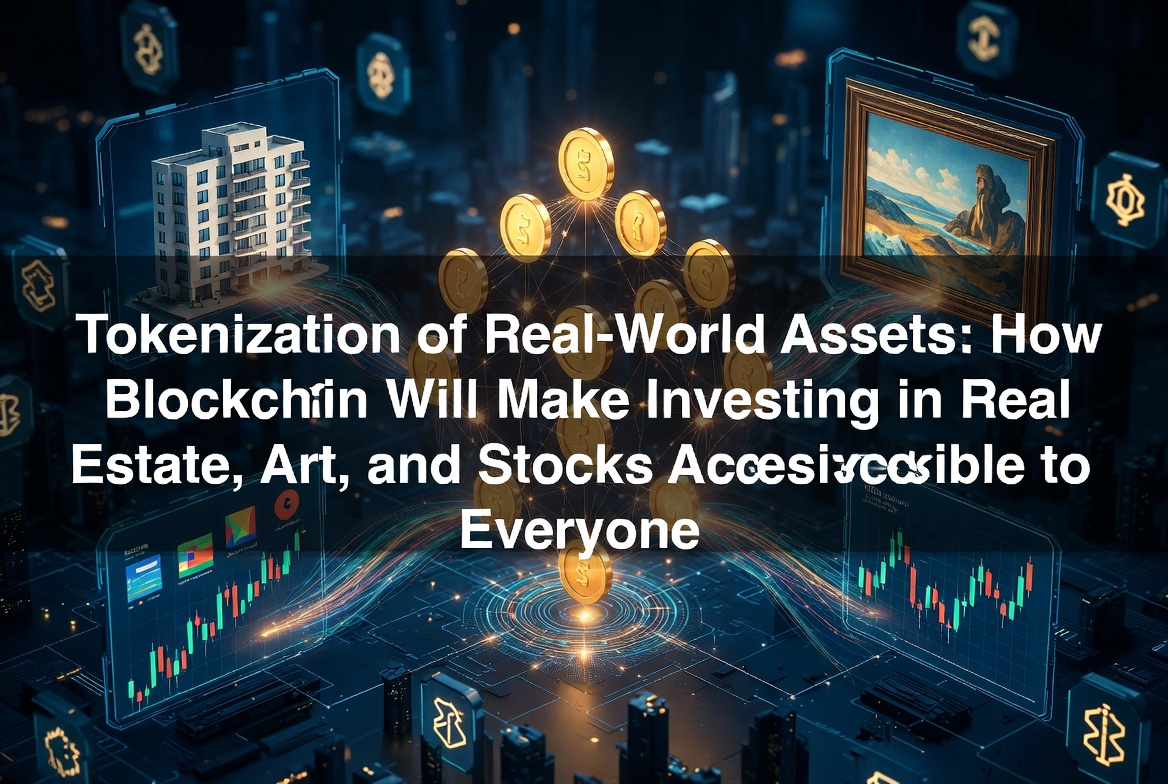
A few years ago, the idea of owning a fraction of a luxury apartment in Dubai or a piece of a famous painting through my phone seemed like something out of a sci-fi movie. Today, in April 2026, tokenization of real-world assets (RWA) is no longer experimental — it’s becoming a practical reality that is slowly reshaping how people invest.
In this article, I’ll explain what tokenization really is, why it matters right now, the opportunities and risks involved, and how regular investors like you and me can start to understand this space responsibly.

What Is Tokenization of Real-World Assets (RWA)?
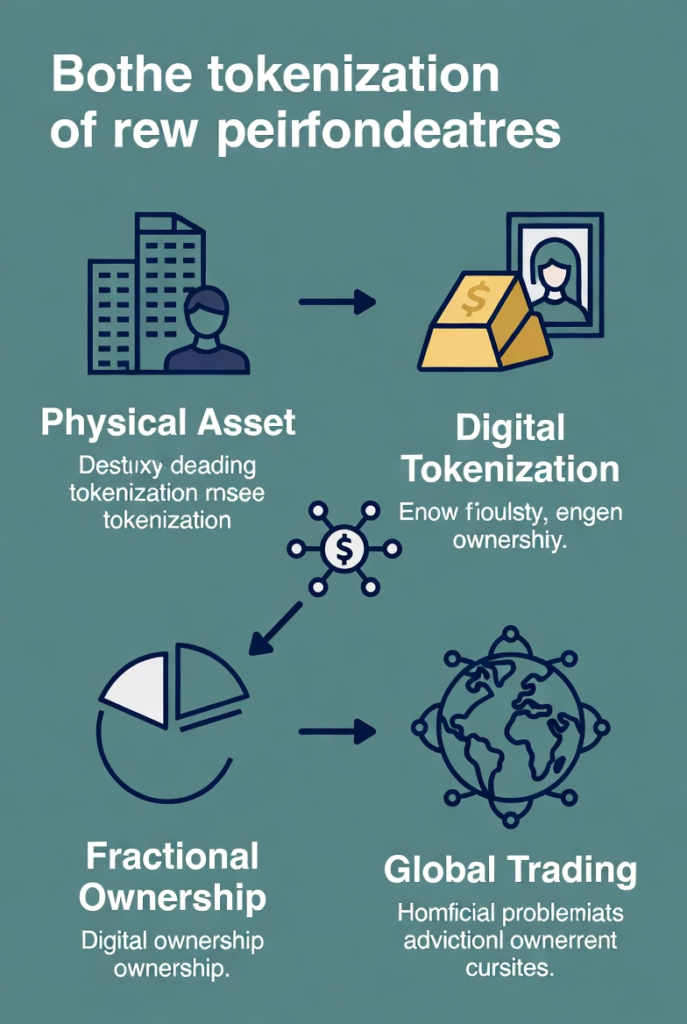
Tokenization is the process of converting the ownership rights of a physical or traditional asset into digital tokens on a blockchain.
Instead of owning an entire building or painting, the asset is divided into many smaller digital tokens. Each token represents a proportional share of that asset. These tokens can then be bought, sold, or traded on blockchain platforms with greater speed and transparency.
Common examples in 2026 include:
- Real estate properties
- Fine art and collectibles
- Government and corporate bonds
- Private equity funds
- Commodities such as gold or carbon credits
The blockchain records every transaction permanently, reducing paperwork and increasing trust between parties.
Why Tokenization Is Gaining Traction in 2026
After following this space closely, I see three main drivers behind its growth:
- Increased Liquidity Traditional assets like real estate can take months to sell. Tokenized versions can be traded much faster, sometimes in seconds.
- Fractional Ownership Investors no longer need millions of dollars to own premium assets. Someone with $500 can now own a small portion of a high-value property or artwork.
- Global Accessibility and Transparency Blockchain allows investors from different countries to participate with lower barriers. Every transaction is recorded publicly and immutably.
Real Benefits for Everyday Investors
From my research and conversations with people in this space, here are the most practical advantages:
- Lower Entry Barriers: You can start with smaller amounts of capital.
- 24/7 Trading: Unlike stock markets with fixed hours, tokenized assets can often be traded around the clock.
- Greater Transparency: The blockchain provides a clear record of ownership and transaction history.
- Potential for Faster Settlement: What used to take days or weeks can now happen in minutes.
However, I want to be very honest — these benefits come with important caveats.
Important Risks and Limitations
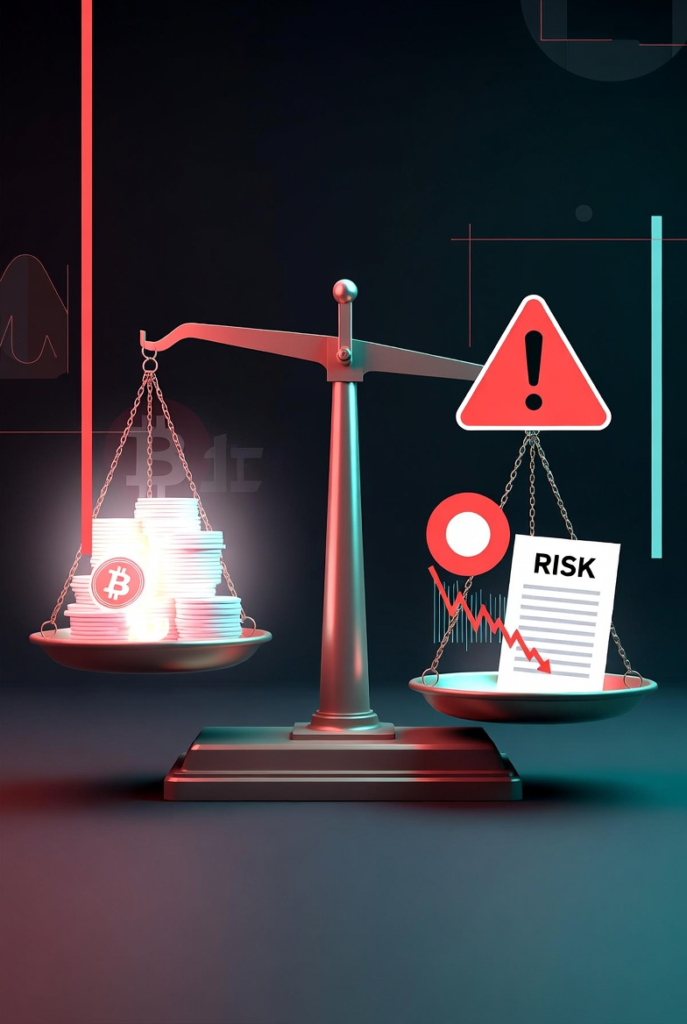
Tokenization is still a developing technology. Here are some risks every investor should understand:
- Regulatory Uncertainty: Laws around tokenized assets are still evolving in many countries. What is allowed today might change tomorrow.
- Market Volatility: Token prices can fluctuate significantly, especially in newer projects.
- Security Risks: While blockchain is secure, smart contracts and platforms can have vulnerabilities.
- Liquidity Risk: Not all tokenized assets have active buyers and sellers yet.
- Counterparty Risk: You still depend on the issuer or platform managing the underlying real asset correctly.
Important Disclaimer: This article is for educational purposes only. I am not a financial advisor. Tokenization and cryptocurrency investments involve substantial risk of loss. Always do your own research and consult qualified professionals before investing.
How Regular Investors Can Approach RWA in 2026
If you’re interested in learning more about tokenized assets, here’s my practical recommendation:
- Start with Education Understand the basics of blockchain and how tokens work before investing any money.
- Focus on Reputable Platforms Look for projects with clear regulatory compliance, audited smart contracts, and transparent underlying assets.
- Begin Small Only invest money you can afford to lose. Treat this as a long-term learning process rather than a quick opportunity.
- Diversify Don’t put all your money into one tokenized asset. Spread risk across different types of assets and traditional investments.
- Stay Updated The regulatory and technological landscape is changing quickly. Follow reliable sources and verify information.
The Bigger Picture: What This Means for the Future of Finance
Tokenization has the potential to democratize access to high-value assets that were previously reserved for institutions and wealthy individuals. At the same time, it introduces new complexities around regulation, security, and investor protection.
As someone who has been following these developments for years, I believe the most important skill right now is informed patience. Understanding the technology and its limitations is more valuable than rushing into new opportunities.
The future of finance will likely include both traditional systems and blockchain-based solutions working together. Those who take the time to learn properly will be better prepared for the changes ahead.
Final Thoughts
Tokenization of real-world assets is one of the most interesting developments in finance today. It offers real potential for greater access and efficiency, but it also comes with meaningful risks that should not be ignored.
My advice remains the same: educate yourself first, invest cautiously, and always prioritize long-term financial understanding over short-term excitement.
I’d love to hear your thoughts. Have you explored any tokenized assets yet? What questions do you have about RWA? Feel free to share in the comments below — I read and reply to as many as I can.
Thank you for reading. Here’s to building a smarter and more informed financial future together.
— Dhanur Founder, NextFutureFinance.com



Deja una respuesta