



Inflation remains a real challenge in 2026. With prices for groceries, fuel, and housing continuing to rise, many people feel their money stretching less far than before. The key is acting quickly and smartly — you don’t need a huge salary increase to start saving effectively.
In this practical guide, you’ll find actionable steps that real beginners are using right now to build savings even when inflation is high.
1. Why Inflation Eats Your Savings and How to Protect Them
When inflation runs higher than the interest rate on your regular savings account, your cash actually loses purchasing power over time. That’s why the first move is simple but powerful: move your emergency fund and short-term savings into a high-yield savings account (HYSA). Many reputable online banks are offering rates above 4% in 2026, helping your money fight inflation instead of losing to it.
Action step: Open a HYSA today and set up automatic transfers right after payday. Treating savings like a non-negotiable bill is one of the fastest ways to see progress.
2. Build a Realistic Budget That Accounts for Rising Costs
A good budget gives you control. In high-inflation times, adjust the classic 50/30/20 rule to something like 60/20/20 if needed (60% needs, 20% wants, 20% savings/debt).
Start by tracking every expense for 30 days. You’ll likely discover small leaks — unused subscriptions, impulse buys, or daily habits — that add up to hundreds of dollars monthly.
Pro tip: Use the “pay yourself first” method. Decide how much you want to save each month and transfer it immediately. Then live on what’s left.
3. Cut Everyday Expenses Without Sacrificing Quality of Life
Focus on the biggest spending categories:
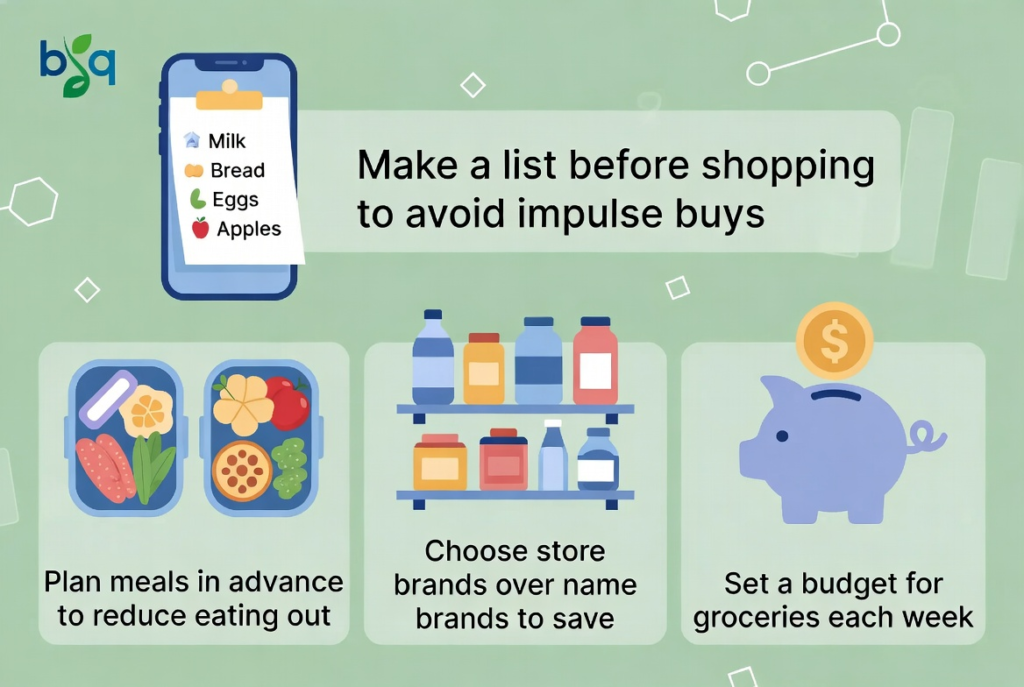
- Groceries: Plan meals, make a shopping list, buy store brands, and cook in batches. Shopping with a full stomach and avoiding aisles with tempting processed foods can save 20-30% easily.
- Subscriptions and memberships: Review them monthly and cancel what you don’t use.
- Transportation and utilities: Combine trips, lower your thermostat slightly, and switch to LED bulbs or energy-saving habits.
- Dining out: Limit it to once or twice a week and choose affordable options.
Small, consistent changes here can free up $200–500 per month for many households.
4. Increase Your Income Without Burning Out
Saving faster often works better when paired with extra earnings:
- Sell items you no longer need on Marketplace or similar platforms.
- Start a low-time-commitment side hustle (freelance, tutoring, pet sitting, or weekend gigs).
- Negotiate a raise or explore better-paying opportunities in your field.
Even an extra $200–400 per month can dramatically speed up your savings goals.
5. Make Your Money Work for You
Pay off high-interest debt first (especially credit cards). Then focus on:
- High-yield savings for emergency funds
- Low-cost index funds or ETFs for longer-term goals
- Taking full advantage of any employer retirement match
Avoid risky “get rich quick” moves during uncertain economic times. Steady and diversified is usually the winning strategy for beginners.
6. Build Habits That Last
Use rules like the 30-day waiting period for non-essential purchases, round-up savings apps, and monthly progress reviews. Celebrate milestones without derailing your plan.
Many people following these steps report saving their first $1,000–$3,000 within 3–6 months, even starting small.
Start Today — Small Actions Create Big Results
High inflation feels frustrating, but it doesn’t have to stop your progress. By combining smarter spending, automatic saving, and a bit of extra income, you can build real momentum quickly.
Pick one tip from this article and implement it this week. Open that high-yield account, review your subscriptions, or create your first budget. Momentum builds from action.
You’ve got this. The habits you create now will pay off long after inflation cools down.











Deja una respuesta