

A couple of years ago I was walking through a gallery in Barcelona with my wife. We stopped in front of a painting that took my breath away. The price tag next to it? €2.8 million. I joked, “One day we’ll own something like this.” We both laughed. It felt completely impossible.
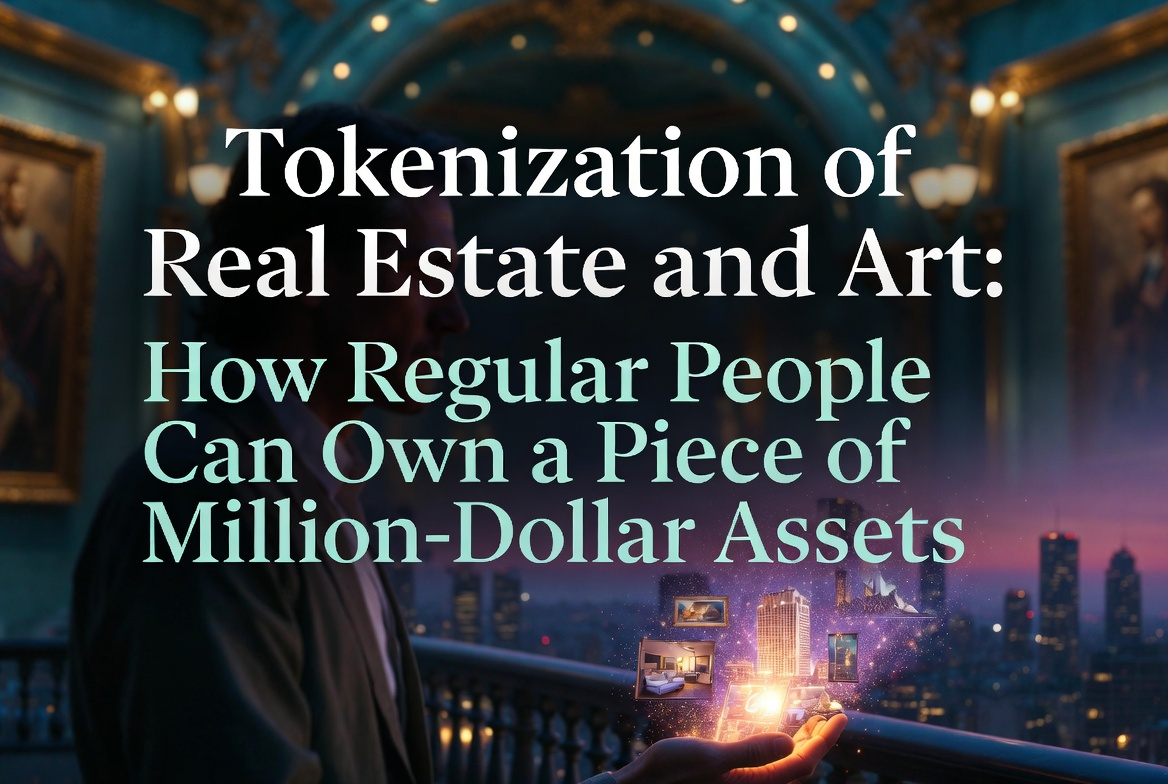
Fast forward to last month. I now own a small fraction of a similar piece of art — and also a slice of a beautiful apartment building in Lisbon. Not because I suddenly became rich, but because of something called tokenization.
This isn’t some crypto-bro hype. It’s a real shift happening right now that is quietly opening doors that used to be locked for regular people like us. I wanted to share my honest experience with it — the excitement, the confusion, the risks, and why I believe this could be one of the most important changes in how normal families build wealth in the coming years.
What Tokenization Actually Means (Without the Technical Jargon)
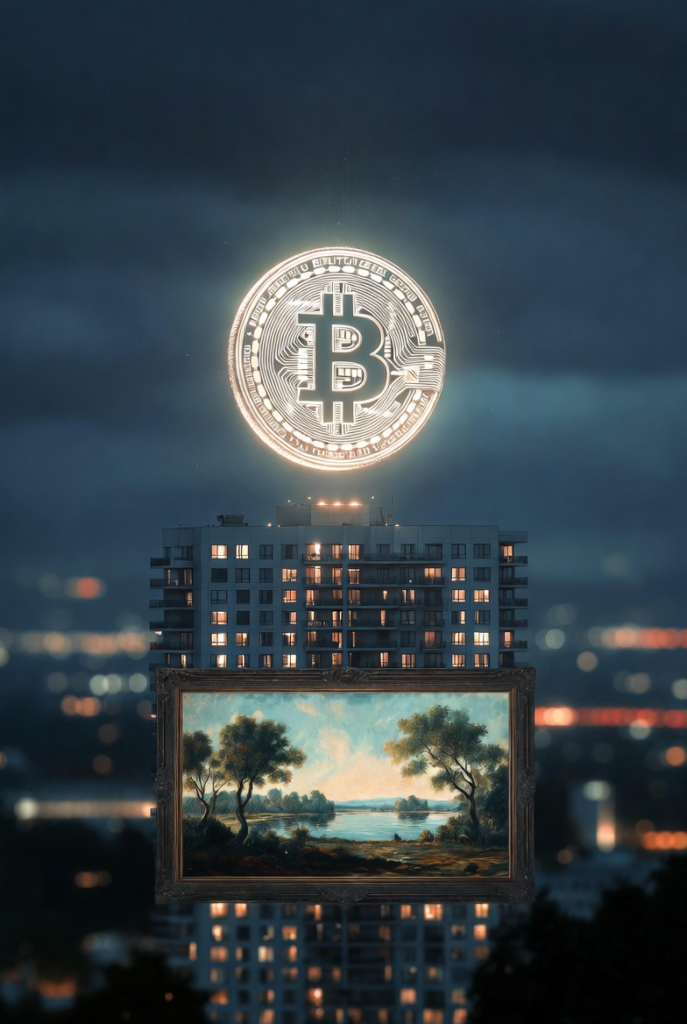
Imagine taking something expensive and indivisible — like an apartment building or a famous painting — and turning it into thousands of tiny digital pieces, like slices of a cake. Each slice is a token you can buy, sell, or hold on a blockchain.
That’s tokenization in simple terms.
Instead of needing millions to buy a whole property or artwork, you can own 0.01% of it for a few hundred or thousand dollars. The ownership is recorded on a secure digital ledger, so it’s transparent and verifiable.
I remember the first time I bought my first real estate token. It felt strange. I was sitting on my couch in sweatpants, clicking “buy” on my phone, and suddenly I owned part of a real apartment in Madrid. No lawyers, no huge down payment, no months of paperwork. Just a few taps.

How I Got Started (And Why I Was Skeptical at First)
I’ve always been cautious with new financial trends. I lost money during the 2021-2022 crypto crash, so I approached tokenization with healthy doubt.
What changed my mind was meeting a friend who had invested in tokenized real estate in 2023. He showed me the actual rental income he was receiving every month — deposited automatically into his wallet. It wasn’t life-changing money, but it was real passive income from a real building.
So I started small.
I invested in two projects:
- A mixed-use building in Lisbon (I own about 0.15%)
- A share in a contemporary art collection that includes works by emerging artists
The process was surprisingly straightforward. I used platforms that handle the legal and regulatory side, did my due diligence by reading the offering documents, and started with money I could afford to tie up for a few years.
The Real Advantages I’ve Experienced
What surprised me most wasn’t just the low entry point. It was the other benefits that traditional investing rarely offers:
Liquidity — Unlike owning physical property, I can sell my tokens relatively quickly if I need cash. Diversification — I now have exposure to premium real estate and art across different cities without putting all my eggs in one basket. Transparency — Everything is on the blockchain. I can see exactly how the property is performing. Fractional ownership of “unreachable” assets — I could never afford a Picasso or a luxury building on my own. Now I own pieces of both.
But I’ve also learned that it’s not perfect.
There are risks: regulatory uncertainty in some countries, platform risk, and the fact that some projects are still quite new. I’ve seen a few tokenized projects underperform, and liquidity isn’t always as good as promised.
This is why I only invest money I’m comfortable holding long-term and I spread it across different platforms and asset types.
What This Could Mean for Regular Families
I think about my parents, who worked hard their whole lives but could never own investment property because of the huge capital required. Or young professionals today who want to build wealth but face sky-high housing prices.
Tokenization changes the math.
It democratizes access to assets that have historically been reserved for the wealthy. A teacher, a nurse, or a software engineer can now own a piece of prime real estate or blue-chip art.
Of course, this doesn’t replace the need for traditional investing — index funds, retirement accounts, and cash savings still matter. But it adds a powerful new tool to the toolbox.
I’ve started treating my tokenized investments as a long-term “wealth building experiment.” I review them quarterly, reinvest the yields when possible, and I’m genuinely curious to see how this evolves over the next decade.
Looking Ahead
The technology is still maturing. We’ll likely see better regulation, more institutional participation, and easier user experiences in the coming years. Some governments are already creating frameworks specifically for tokenized assets.
I believe we’re moving toward a world where ownership becomes more fluid and accessible. Not everyone will participate, and that’s okay. But for those willing to learn and start small, this could be a meaningful way to build wealth differently.
It’s not about getting rich overnight. It’s about opening doors that used to be completely closed.
And that, to me, is pretty exciting.
Written by Dhanur