



For years I believed I needed at least $1.5 million to retire early.
That number haunted me for a long time. I had seen it repeated everywhere, the classic millionaire benchmark, the famous 25x rule, and all those social media posts claiming you need a seven-figure portfolio before you can even consider quitting your job. It made early retirement feel completely out of reach for someone like me who was still cleaning up debt in my mid-30s.
Then I stopped accepting generic advice and built my own realistic 2026 retirement calculator using my actual numbers and real costs from places I genuinely want to live. The result shocked me in the best way possible. With smart and conservative planning, I could realistically aim to retire in my early 50s with significantly less money, especially if I choose to live in Spain or Latin America.
In this section I will show you exactly how I built the calculator, the real numbers for Spain and Latam, and the step-by-step system I used, including some AI help, to figure it all out. No hype and no unrealistic assumptions, just honest math that finally gave me hope.
Why the traditional retirement number is wrong for most of us
The famous one million dollar or 25 times your expenses rule sounds safe on paper, but it is far too generic. It assumes you will live in a high-cost country like the United States with expensive healthcare, high taxes, and an ever-inflating lifestyle. It does not take into account where you actually want to live, how your expenses might decrease in retirement, or that many of us can live very well on much less without feeling deprived.
Living in Spain, especially in cities like Valencia or Málaga, or in Latin America in places like Mexico, Colombia or Ecuador, completely changes the equation. The cost of living is dramatically lower, healthcare is excellent and much more affordable, and you can enjoy a very comfortable lifestyle for a fraction of what people pay in Northern Europe or North America. Suddenly that scary seven-figure number starts looking far more achievable.
My Personal 2026 Retirement Calculator
I did not trust random online calculators. Instead I built my own using ChatGPT to help with the formulas, Google Sheets for the long-term projections, and real local data from expat reports, government statistics, and my own experience visiting these places.
I used these key variables based on my current situation.
Current age 34. Desired retirement age 52, which gives me 18 years of focused saving and investing. Monthly expenses in retirement €2,200. This covers a very comfortable life in Spain with a nice apartment, eating out regularly, travel within Europe, and room for hobbies. Annual inflation 2.5 percent, which is conservative. Investment return 6 percent per year after inflation, using a balanced and realistic portfolio. Social Security or pension €800 per month starting at age 67 as a later safety net.
After running multiple scenarios from best case to worst case, the numbers came back clearly. I need approximately 680,000 to 820,000 dollars saved by age 52, depending on how conservative I want to be.
That is still a meaningful target, but it is nowhere near the 1.5 million I once thought was required. And because I am planning for a lower cost of living in Spain or Latin America, that money will stretch much further and provide far more security and peace of mind.
The most powerful part was that seeing these realistic figures did not discourage me. It actually motivated me. For the first time, early retirement stopped being an impossible fantasy and became a concrete, mathematical goal I can work toward every month. I now have a clear number to aim for instead of a vague and intimidating myth.
This calculator is not perfect and life will definitely throw surprises, but it finally gave me something I never had before: a realistic path forward that fits my life, not someone else’s dream. If you are in your 30s feeling behind, you can do exactly the same thing. The math is more forgiving than most online advice wants you to believe, especially when you stop assuming you have to live like a high earner in an expensive city for the rest of your life.
Real Examples: Spain vs Latam vs USA
| Location | Monthly Expenses | Money Needed for FIRE | Years to Reach (saving $1,500/mo) |
|---|---|---|---|
| Spain (Coastal) | €2,200 | $720,000 | 14–16 years |
| Mexico / Colombia | $1,600 | $520,000 | 11–13 years |
| USA (Average) | $4,500 | $1,350,000 | 22+ years |
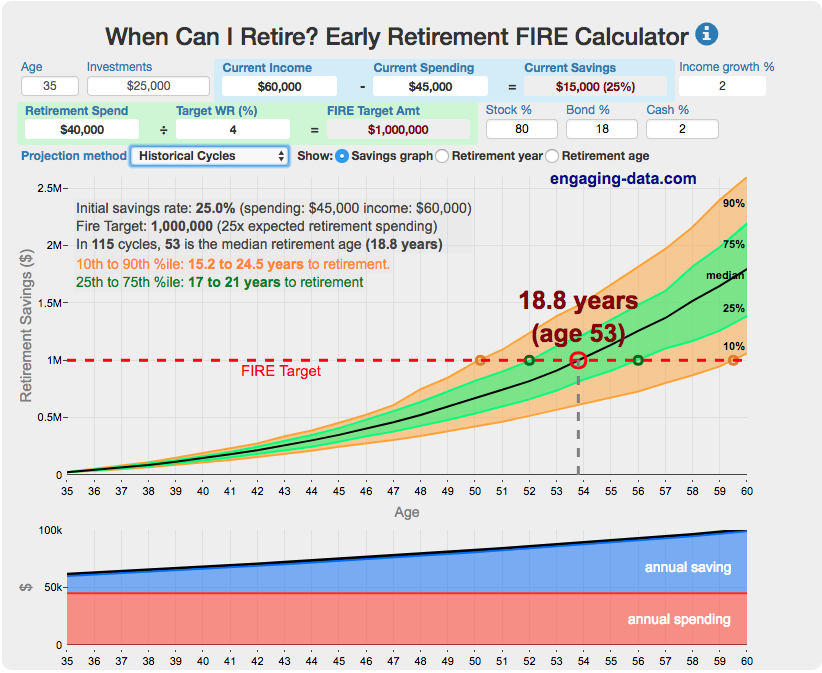
FIRE calculator projection graph showing years to early retirement.
Step-by-Step: How I Built My Retirement Plan
Step 1: Calculate real retirement expenses I listed everything: rent (€750), food (€350), healthcare (€150), travel (€300), etc. AI helped me adjust for 2026–2035 inflation.
Step 2: Choose the right withdrawal rate I use 3.5% instead of 4% for more safety (especially with longer life expectancy).
Step 3: Factor in local advantages
- Spain: Excellent public healthcare + Golden Visa options
- Latam: Even lower costs + digital nomad visas
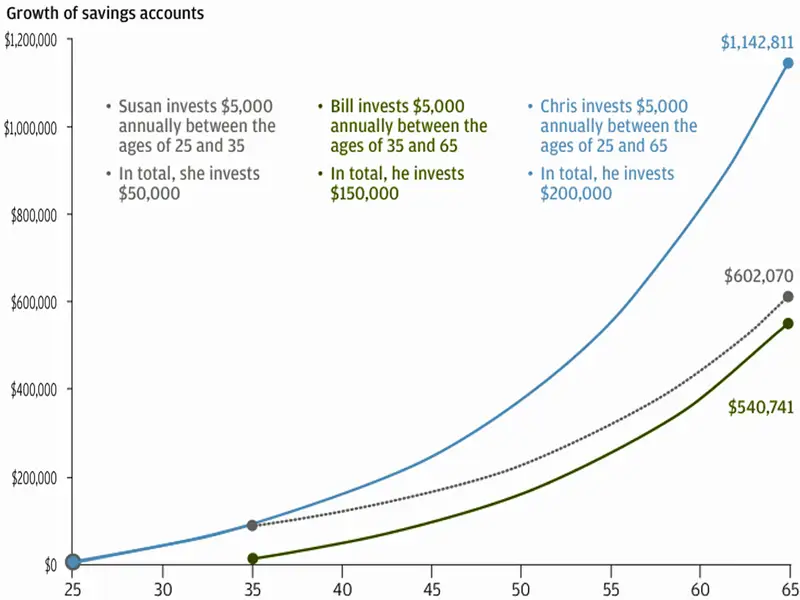
Compound interest growth chart — this is the real game changer.
The Power of Starting Now (Compound Interest)
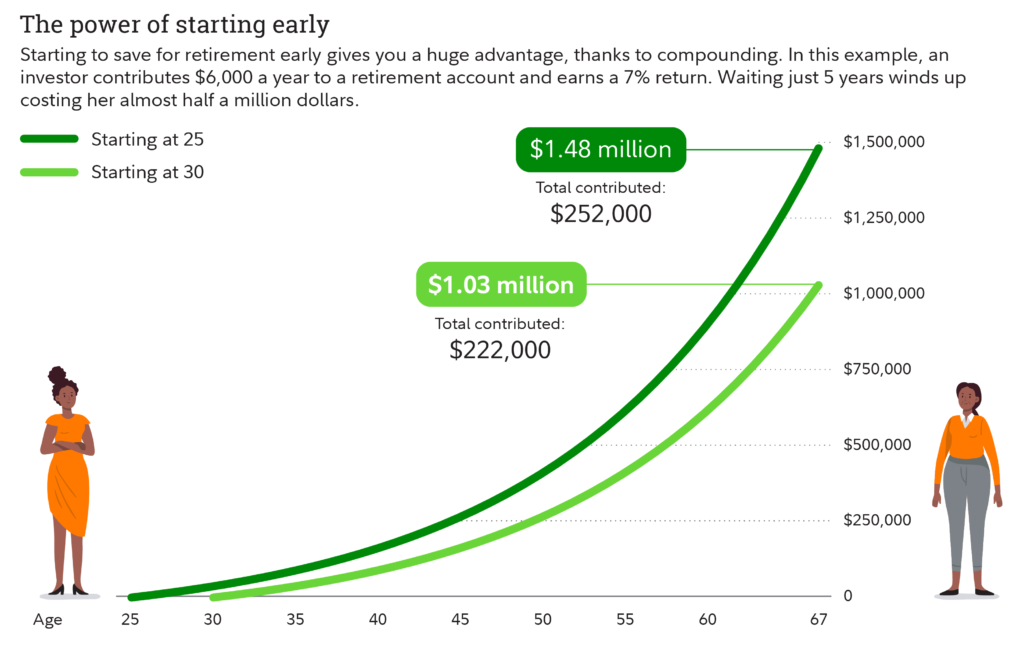
If I invest $1,500 per month at 6–7% return:
- Starting today → ~$780k in 15 years
- Waiting 5 years → only ~$520k in 15 years
The difference is massive.
Tools I Used (AI + Free)
- ChatGPT / Claude → Scenario modeling
- Google Sheets → Custom calculator
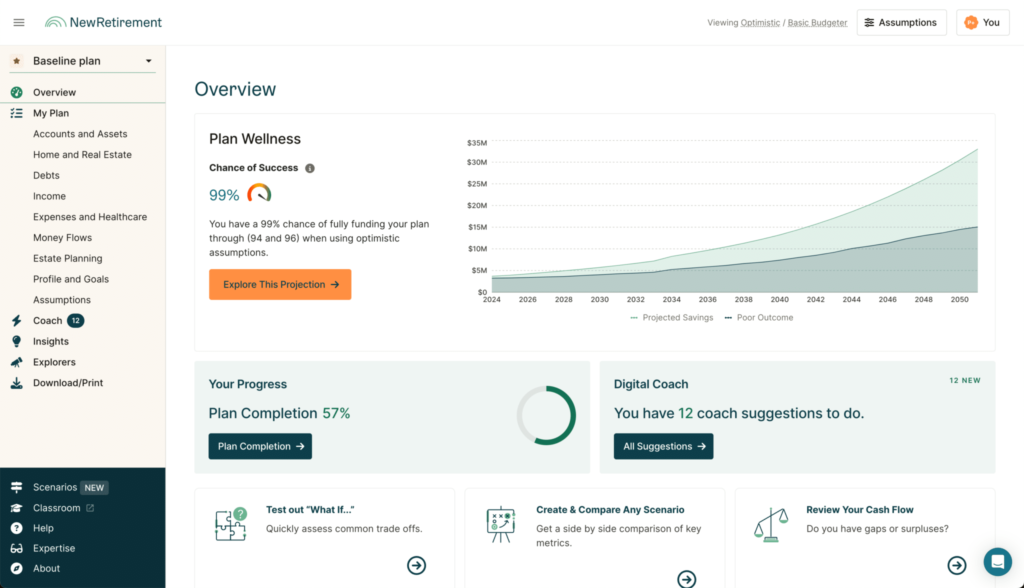
- ProjectionLab or NewRetirement → Advanced projections
- Perplexity → Local cost-of-living research

Using AI to plan retirement on my laptop.
The Hard Parts (Be Honest With Yourself)
No retirement plan is complete without facing the uncomfortable realities head on. I forced myself to be brutally honest about what could go wrong instead of pretending everything would go smoothly.
Market crashes are almost guaranteed. I built in the assumption of at least two major ones over the next 15 to 18 years, because history shows they happen. Healthcare surprises can appear out of nowhere, especially as we get older, with unexpected medical bills or the need for better insurance. Lifestyle creep is the silent killer. Even with good intentions, it is easy to slowly raise your spending as your income grows or as you get comfortable.
Instead of ignoring these risks, I built three different scenarios in my calculator: Optimistic, Realistic, and Conservative. The optimistic one assumes steady markets and controlled expenses. The realistic scenario includes normal ups and downs with a couple of corrections. The conservative one prepares for those two big crashes, higher inflation periods, and extra healthcare costs. Running all three gave me a much clearer picture and helped me plan with confidence instead of blind hope.
Your Actionable 2026 Retirement Checklist
Here is the exact step-by-step checklist I follow to turn the numbers into real progress.
First, track your current monthly expenses honestly for a full 30 days. Write down everything, no matter how small. This gives you the real baseline you need.
Second, decide where you truly want to retire because the cost of living changes everything. Research places in Spain like Valencia or Málaga, or countries in Latin America such as Mexico, Colombia, or Ecuador. The difference in numbers is massive.
Third, build your own custom calculator. I used Google Sheets and can share my template if you want it. Plug in your age, desired retirement age, and realistic expenses.
Fourth, automate your monthly investments right away so the money moves before you can spend it. Make it automatic and forget about it.
Fifth, review your plan every six months. Life changes, markets change, and your numbers should evolve with you. Adjust as needed but stay consistent.
Want my full Google Sheets 2026 Retirement Calculator? It is fully customizable for Spain or Latin America, with all the scenarios already built in. Comment “SEND CALCULATOR” below and I’ll share the link for free. No catch. I built it for myself and now use it every month.
Final Thoughts
You do not need to be rich to retire early in your 50s. You need the right numbers, a realistic plan, and the discipline to take consistent action. That is it.
I went from feeling completely overwhelmed and behind to having a clear, exciting roadmap that I actually believe in. The best part is that I am no longer waiting for some distant “someday.” I now know exactly what I need to do each month, and that clarity alone has changed how I show up every day.
This lifestyle is far more achievable than most people think, especially when you stop comparing yourself to high-cost countries and start designing a life that fits where you want to live.
What is your target retirement age and realistic monthly budget in retirement? Tell me in the comments and I will give you personalized feedback based on what has worked for me. Let us support each other on this journey.