
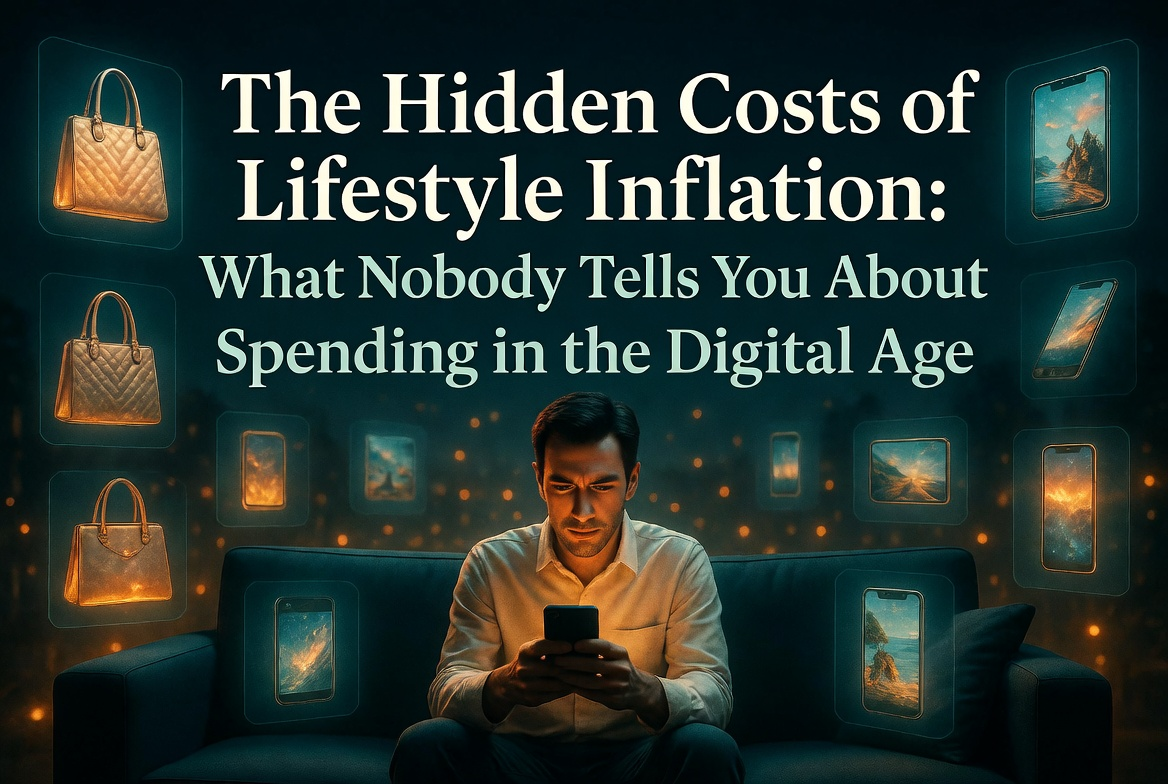

I remember the exact night it hit me.
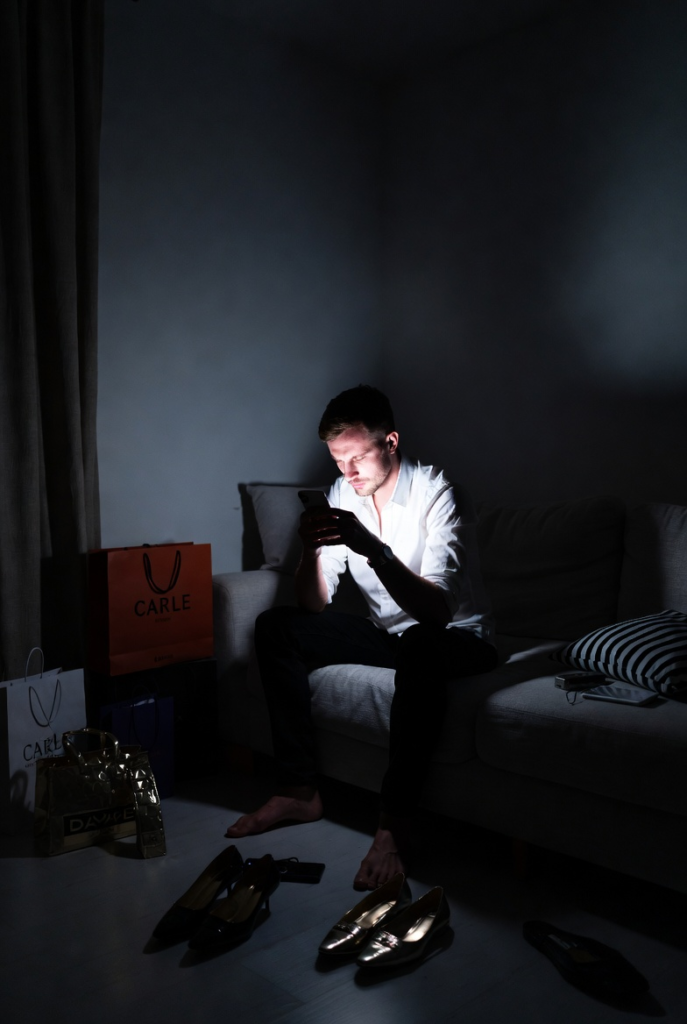
I was lying in bed scrolling through Instagram at 1:14 a.m., heart racing a little as I double-tapped on a friend’s photo from a luxury resort in Bali. The caption read “Living my best life.” My thumb hovered over the “Shop Now” button on a ridiculously expensive watch I didn’t need. I had just bought a new phone two months earlier — the one with the slightly better camera — and my credit card balance was already whispering warnings I chose to ignore.
That night I realized something uncomfortable: I wasn’t spending because I was happy. I was spending because I was trying to keep up with a life I was watching unfold in perfect squares on my screen.
Lifestyle inflation didn’t creep up on me like a slow leak. It arrived dressed as normal, convenient, and even “deserved.” One-click purchases, algorithmic ads, subscription boxes, and the constant comparison machine of social media turned what used to be occasional treats into an invisible treadmill I couldn’t step off.
This is the story of how I finally saw the hidden costs — not just the obvious hit to my bank account, but the quieter, deeper ones that almost nobody talks about.
The Silent Erosion I Didn’t Notice Until It Was Too Late
For years I told myself the same comforting lie most of us do: “I’m just treating myself.” A better coffee here, a nicer car lease there, the latest tech gadget because “I work hard.” On paper, my income was growing. In reality, my lifestyle was expanding exactly in line with it — sometimes faster.
The digital age made it dangerously easy. No more waiting in line or feeling the weight of cash leaving your wallet. Just tap, confirm, and the dopamine hits instantly. The apps know exactly when you’re feeling a little down or bored, and they serve you the perfect scroll of things that promise to fix it.
I didn’t notice the erosion at first. My savings rate quietly dropped from 18% to 7%. My emergency fund stopped growing. Future plans — the house, the trip with my wife, the freedom to work less one day — started feeling further away instead of closer.
But the real hidden cost wasn’t the money. It was the constant, low-level background anxiety that came with it. The feeling that I was always one impulse purchase away from slipping backward. The quiet guilt when I looked at my retirement projections. The way I started measuring my worth by what I could show instead of what I could build.
The Costs Nobody Posts About
The financial cost is obvious, but the others are sneakier.
There’s the time cost. Every new subscription, every new gadget, every upgraded experience demands maintenance. More things to charge, update, clean, store, and worry about. I spent hours managing accounts instead of living.
There’s the freedom cost. The more your lifestyle inflates, the more income you need just to maintain it. I turned down interesting but lower-paying projects because they wouldn’t cover my new standard of living. I became trapped by the very things I bought to feel free.
There’s the identity cost. Slowly, I started tying my sense of self to what I owned and experienced rather than who I was becoming. I caught myself feeling inferior when friends posted about their new kitchen remodel or exotic vacations. The comparison wasn’t just financial — it was existential.
And perhaps the heaviest one: the future self cost. Every dollar spent on keeping up today is a dollar not compounding for tomorrow. I ran the numbers once with an AI tool and realized that the “harmless” upgrades I made between 2022 and 2025 had delayed my financial independence by almost four years. Four years of my life traded for things that now sit in drawers or feel ordinary.
The Turning Point That Changed Everything
The wake-up call came during a quiet weekend away with my wife. We were sitting on a modest cabin porch watching the sunset when she asked me, “Are you happy with how we’re living?”
I almost gave the automatic “of course” answer, but something stopped me. For the first time I admitted out loud that I felt trapped by our lifestyle. The beautiful apartment, the nice car, the constant little luxuries — they looked good from the outside, but they were quietly stealing our peace.
That conversation opened the door. We started talking honestly about what we actually valued. Not what looked good online, but what gave us real joy and security. We made a pact to track every expense for three months with brutal honesty — no judgment, just curiosity.
What we discovered was eye-opening. Almost 40% of our spending was on things that brought us fleeting pleasure but no lasting fulfillment. We weren’t living richly. We were performing richness.
From there, the changes were small but deliberate. We kept the things we truly loved and quietly let go of the rest. The relief was immediate and surprising.

What I Wish Someone Had Told Me Sooner
If I could go back and sit with my younger self scrolling through those perfect feeds, I would tell him three quiet truths:
First, the digital world is designed to make you feel like you’re falling behind. That feeling is the product, not the warning.
Second, lifestyle inflation is one of the most expensive silent thieves because it feels completely normal. Nobody warns you because almost everyone is doing it.
Third, the real luxury isn’t having more — it’s needing less. The peace that comes from living below your means is something no luxury purchase can replicate.
I still enjoy nice things. I still treat myself. But now the decisions are conscious instead of automatic. I ask different questions: “Will this still matter to me in a year?” “Does this align with the life I actually want to build?”
The Quiet Freedom on the Other Side
Today my lifestyle is simpler, but my life feels richer. My savings rate is healthy again. My emergency fund is solid. My retirement projections no longer make me anxious. Most importantly, I no longer feel that low-level pressure to keep up with a version of life that was never mine to begin with.
The hidden costs of lifestyle inflation are real, but so is the freedom on the other side. It doesn’t require moving to a cabin in the woods or rejecting all modern comforts. It only requires honesty, awareness, and the willingness to step off the treadmill when you realize you’re the one running it.
The digital age made spending easier than ever. But it also gave us the tools to see clearly — if we choose to look.
And once you see it, you can’t unsee it.
The question isn’t whether you can afford the lifestyle. The real question is whether the lifestyle is worth what it’s quietly costing you.
Written by Dhanur