

The Federal Trade Commission’s most recent fraud data shows that people reported losing $3.5 billion to imposter scams in 2025, an increase of nearly 20 percent from the year before. The FTC received more than one million individual reports about imposter scams during the year, and for the ninth year running, imposter scams were the single most reported category of fraud, accounting for close to one in three fraud reports the agency received. Total reported fraud losses across all categories reached about $16 billion in 2025, the highest figure on record, up roughly 25 percent from 2024. Behind those totals is a pattern worth understanding in detail, because the specific tactics scammers use have shifted in ways that make them harder to spot with generic advice like never give out your Social Security number.
- What an Imposter Scam Actually Is
- Why Bank Impersonation Scams Are So Effective
- How Government Imposter Scams Have Evolved
- The Payment Methods That Should Immediately Raise Concern
- Why Urgency Is the Common Thread
- What To Do If You Are Already on the Phone With a Suspected Scammer
- Protecting Older Family Members
- Reporting a Scam Even If You Did Not Lose Money
- Bottom Line
- Frequently Asked Questions
- Sources
Imposter Scam Types Ranked by 2025 Reported Losses
| Scam Type | Common Tactic | 2025 Reported Losses | Biggest Red Flag |
|---|---|---|---|
| Business/bank impersonation | Fake fraud alert asking you to verify or move money | ~$1 billion | Being asked to transfer funds yourself to stop fraud |
| Government impersonation | Threats of arrest, fines, or lost benefits | ~$920 million (up 40%) | Demands for immediate payment to avoid legal action |
| Fake toll notices | Text claiming a small overdue toll balance | Counted within the government imposter total | Unfamiliar payment link for a small, plausible amount |
What an Imposter Scam Actually Is
An imposter scam is any fraud in which the scammer pretends to be someone the victim already trusts or is inclined to believe, such as a bank representative, a government agency, a tech support technician, or even a family member. The category is broad by design, which is part of why it consistently ranks as the largest source of reported fraud losses. Within that broad category, the FTC’s 2025 data shows business impersonation and government impersonation as the two largest subcategories. Reported losses to people posing as businesses, most often banks, reached nearly $1 billion, while losses to government impersonators reached about $920 million, up from $789 million the year before, a 40 percent jump largely attributed to a wave of scam messages about supposedly unpaid highway tolls.
Why Bank Impersonation Scams Are So Effective
Bank impersonation scams work because they mimic something people are conditioned to take seriously: a fraud alert. A typical version starts with a text message or call that appears to come from your actual bank, warning of suspicious activity on your account and asking you to verify a transaction or confirm your identity. The number calling can be spoofed to display your real bank’s actual customer service number, which is why caller ID alone should never be treated as proof of who is actually calling. Once a victim engages, the scammer typically walks them through steps that end with the victim authorizing a transfer themselves, believing they are stopping a fraudulent transaction rather than authorizing a real one. Because the victim technically initiates the transfer, banks often treat these as authorized transactions, which makes recovering the money significantly harder than in cases of unauthorized account access.
How Government Imposter Scams Have Evolved
The 40 percent jump in reported government imposter scams during 2025 was driven heavily by fake toll notices, which spoofed real electronic toll collection programs such as E-ZPass, SunPass, FasTrak, and TxTag. These messages claim the recipient owes a small overdue toll balance and include a link to pay immediately, often threatening additional fees or legal consequences for nonpayment. The tactic works precisely because the dollar amount requested is small and plausible, which lowers a recipient’s guard compared to a scam demanding a large sum outright. Beyond toll scams, government imposters commonly pose as the IRS, Social Security Administration, or immigration officials, and they consistently rely on threats of arrest, deportation, fines, or loss of benefits to create the urgency that pushes a victim to act before thinking the request through.
The Payment Methods That Should Immediately Raise Concern
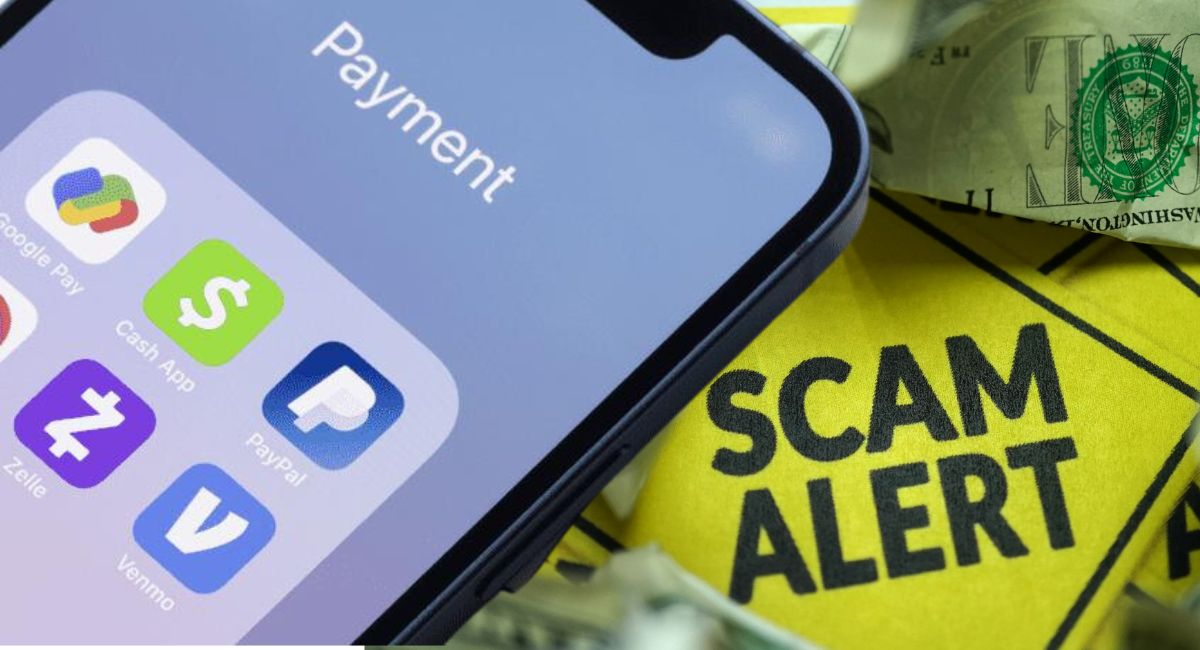
Across nearly every imposter scam category, the FTC has identified a consistent tell in how scammers ask to be paid. Legitimate businesses and government agencies do not request payment in gift cards, cryptocurrency, wire transfers, or through peer-to-peer payment apps for an urgent debt or fine. Scammers favor these methods specifically because the transactions are difficult or impossible to reverse once completed, unlike a credit card charge, which can typically be disputed. If anyone asks you to buy gift cards and read them the numbers over the phone, or to send cryptocurrency to resolve an urgent matter, that request alone is close to a guaranteed sign of fraud regardless of how convincing the rest of the call or message sounds.
Why Urgency Is the Common Thread
Nearly every successful imposter scam relies on manufactured urgency, whether that is a threat of arrest, a claim that your bank account is actively being drained, or a deadline that expires within hours. This urgency is deliberate, because it is specifically designed to prevent the target from doing the one thing that reliably defeats these scams: pausing to independently verify the claim. A legitimate bank fraud department, government agency, or employer will not penalize you for hanging up and calling back through a number you look up yourself, rather than one provided during the original call or text. If a request comes with pressure to act immediately and a threat about what happens if you do not, treating that pressure itself as the red flag, rather than trying to evaluate whether the underlying story sounds plausible, is the more reliable defense.
What To Do If You Are Already on the Phone With a Suspected Scammer
The single most effective action is to hang up and independently verify the claim using contact information you find yourself, not information the caller provided. If the call claims to be from your bank, call the number printed on the back of your physical card. If it claims to be from a government agency, use the agency’s official website, typed directly into your browser rather than clicking any link sent to you. Do not provide personal information, do not confirm account numbers even to correct the caller, and do not stay on the line attempting to argue or reason with the caller, since prolonged engagement gives a skilled scammer more opportunities to manipulate the situation. If money has already been sent, contacting your bank immediately and filing a report with the FTC at reportfraud.ftc.gov gives you the best remaining chance of recovery or at least documents the fraud for broader enforcement efforts.
Protecting Older Family Members
Government and business imposter scams disproportionately target older adults, in part because scammers assume, sometimes correctly, that older victims are less familiar with how legitimate agencies actually communicate and are more likely to have accumulated savings worth targeting. A useful, low-friction step for families is agreeing in advance on a simple rule: any request involving money, whether from a supposed bank, government agency, or even a family member in an unexpected emergency, gets verified with a phone call to a number looked up independently before any action is taken. This kind of standing agreement removes the pressure of having to make a judgment call in the middle of a stressful, time-sensitive call, which is exactly the moment scammers are counting on.
Reporting a Scam Even If You Did Not Lose Money
Many people only think to report a scam after money has already changed hands, but reporting a suspicious contact that did not succeed is still valuable and takes only a few minutes through the FTC’s reportfraud.ftc.gov portal. These reports feed directly into the trend data the FTC uses to identify new tactics, such as the recent surge in fake toll notices, and that data in turn helps telecom carriers and financial institutions build better filters and warnings before a tactic becomes widespread. If the scam involved impersonating a specific government agency, filing a separate report with that agency’s inspector general, such as the Social Security Administration’s Office of Inspector General for a Social Security impersonation attempt, adds another layer of documentation that can support broader enforcement action even when an individual case does not lead to a recovered loss.
Bottom Line
The $3.5 billion in reported imposter scam losses for 2025 reflects tactics that have become more specific and more convincing, not less. Spoofed caller ID, fake toll notices, and urgent bank fraud alerts are all designed to exploit trust in institutions people already believe. The defense that actually works is consistent across every version of the scam: treat urgency and unusual payment requests as red flags on their own, and verify independently before sending money or sharing personal information, regardless of how legitimate the initial contact appears.
Frequently Asked Questions
I already sent money to a scammer. What should I do first?
Contact your bank or payment provider immediately to report the transaction and ask about reversal or fraud protection options, then file a report at reportfraud.ftc.gov. Acting within hours, not days, gives you the best realistic chance of limiting the loss.
Can scammers really fake a bank’s real phone number on caller ID?
Yes. Caller ID spoofing is technically simple and widely used in imposter scams, which is why a call appearing to come from your bank’s real number is not proof of who is actually calling. Verifying by calling back a number you look up independently is the only reliable check.
Why are older adults targeted more often?
Scammers often assume, sometimes correctly, that older adults have more accumulated savings and may be less familiar with how legitimate government agencies and banks actually communicate, making manufactured urgency and authority more effective.
Where do I report an imposter scam?
Report it at reportfraud.ftc.gov. If the scam impersonated a specific agency, such as the Social Security Administration or IRS, also file a report with that agency’s Office of Inspector General for additional documentation.
This article is for general informational purposes only and is not legal or financial advice. If you believe you are a victim of fraud, contact your bank and local law enforcement in addition to filing a report with the FTC.