

I still remember the exact moment I realized I was trapped in the paycheck-to-paycheck cycle. It was a Tuesday evening in 2022. I had just transferred money from my savings to cover rent again, and my account balance sat at $47. I was making decent money as a freelancer, yet every month felt like a scramble.
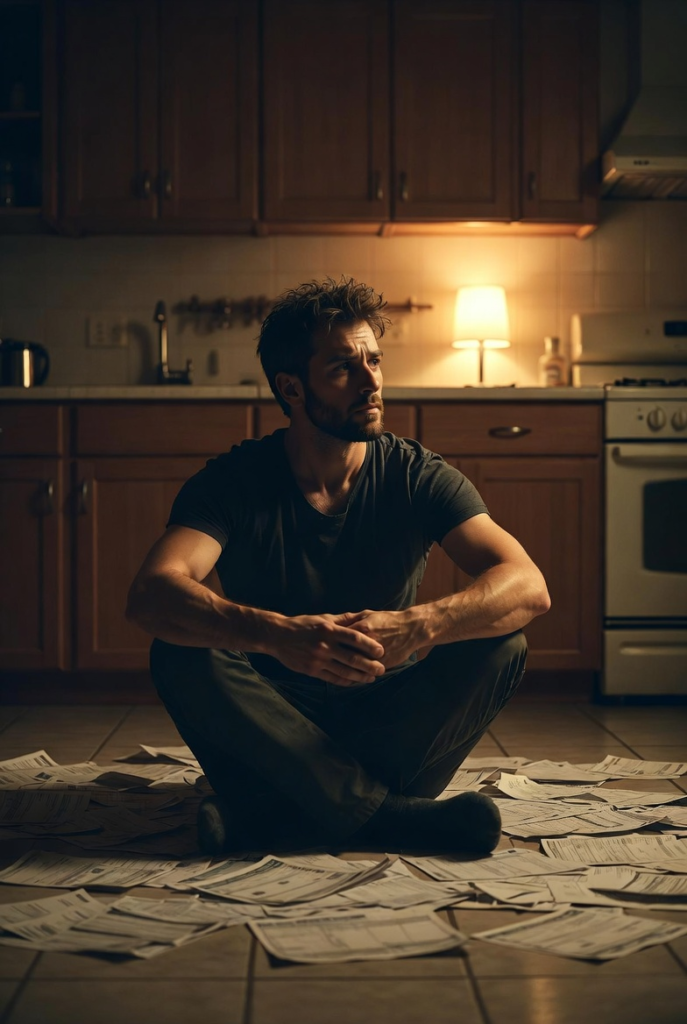
That night I sat on my kitchen floor with bills spread around me and cried — not from sadness exactly, but from exhaustion. I was tired of the anxiety, the constant calculations, and the feeling that no matter how hard I worked, I was always one bad month away from disaster.
That was the beginning of my real money story. Not the highlight reel you see on social media, but the messy, slow, sometimes painful journey from living on the edge to finally finding something that feels like financial peace.
This isn’t a glamorous “I made six figures in a year” story. It’s the honest version — with setbacks, small wins, and lessons that took me years to learn.
The Day Everything Started to Shift
The change didn’t begin with a big salary increase or a magical investment. It started with brutal honesty. I opened a spreadsheet and wrote down every single expense for three months. No judgment, just the truth.
I discovered I was spending $180 a month on subscriptions I barely used, another $120 on eating out when I was stressed, and hundreds more on things that didn’t actually make my life better. Seeing those numbers in black and white was uncomfortable, but it was also liberating. For the first time, I felt like I was in control of my money instead of the other way around.
I started making small changes. I canceled subscriptions. I began cooking more. I negotiated my internet bill. None of these were life-changing on their own, but together they created breathing room — about $350 extra per month. That money became my first emergency fund.
Learning to Separate Self-Worth from Spending
One of the hardest parts wasn’t the numbers — it was the emotions. I realized I was using money to feel successful. Nice gadgets, eating out, new clothes — all of it was quietly feeding a story that said “If I look successful, I am successful.”
That realization hurt. I had to sit with the discomfort of choosing differently. I started asking myself before every purchase: “Does this actually serve the life I want, or am I just trying to feel better for a moment?”
The answers surprised me. Many things I thought I needed were just habits. Letting go of them didn’t make me feel deprived — it made me feel lighter.
Over time I built what I now call my “peace account.” Every time I chose not to spend on something unnecessary, I moved that money into a separate savings account. Watching that balance grow slowly became incredibly motivating. It wasn’t about deprivation. It was about choosing a future version of myself over an immediate feeling.

Building Real Security, Not Just Savings
Financial peace didn’t come from having a big number in the bank. It came when I stopped being afraid of the future.
I focused on three things simultaneously:
- Increasing my income through better client work and skills
- Reducing unnecessary expenses without feeling restricted
- Creating multiple small safety nets
The income part took time. I invested in learning new skills that my clients actually valued. I raised my rates. I created simple digital products. Each step felt small, but they compounded.
The biggest mindset shift was understanding that financial peace isn’t the absence of problems — it’s having enough margin to handle problems when they come. When my laptop died unexpectedly, I could replace it without stress. When a client was late on payment, it didn’t create panic. That margin changed everything.

The Unexpected Emotional Benefits
What I didn’t expect was how much better I felt overall. My sleep improved. My relationships got stronger because money fights disappeared. I had mental space to think about bigger things — creativity, health, helping others.
I started tracking my “money stress level” on a scale of 1 to 10 every month. It went from a consistent 8–9 down to 2–3 over the course of two years. That was more valuable than any investment return.
I also learned to celebrate small milestones. Hitting $1,000 in savings felt huge. Then $5,000. Then enough to cover six months of expenses. Each one was proof that the story was changing.

Where I Am Now — And What Still Matters Most
Today I’m not wealthy by most standards, but I feel rich in freedom. I no longer check my account balance with dread. I have savings, investments, and most importantly, a healthy relationship with money.
The journey taught me that changing your money story isn’t about perfection. It’s about consistent, honest progress. Some months I still overspend. Some investments lose money. But the overall direction is upward, and that direction brings peace.
If you’re currently living paycheck to paycheck, I want you to know this: it doesn’t have to stay that way. The change starts with one honest look at your numbers and one small decision to do something differently. Then another. And another.
You don’t need a huge income to start. You need clarity, patience, and the willingness to rewrite your story one chapter at a time.
Financial peace isn’t a destination you reach and stay at forever. It’s a direction. And once you start moving in that direction, life begins to feel very different.
I’m still walking this path. Some days are easier than others. But I wouldn’t trade the peace I’ve found for any amount of temporary comfort I used to chase.
Your story can change too. It starts today, with whatever small step feels possible right now.
Written by Dhanur